Smart glass film turns ordinary windows into privacy screens, projection surfaces, and energy-efficient barriers with the touch of a button. It’s an affordable alternative to expensive smart glass but requires careful selection based on your needs, budget, and application.
Whether upgrading a home office, enhancing commercial spaces, or improving privacy, smart glass film offers great functionality without the cost of replacing windows. However, not all films are the same—differences in technology, installation, and quality can make or break your upgrade.
Today, we will help you choose the right smart glass film for your needs and budget.
Understanding Smart Glass Film Technology
Smart glass film uses electrochromic technology to change from opaque to transparent when electrical current is applied. The film contains liquid crystal molecules that align differently depending on whether power flows through them, creating the switchable privacy effect.
PDLC vs Electrochromic Films
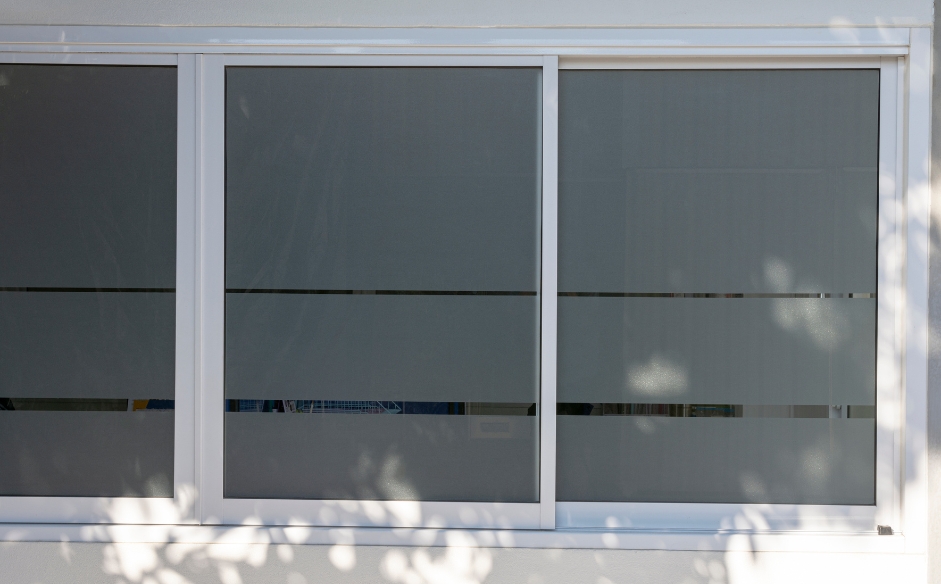
Polymer Dispersed Liquid Crystal (PDLC) films are the most common type available to consumers. These films appear frosted or milky when switched off and become clear when powered on. They offer instant switching, reliable performance, and moderate pricing.
Electrochromic films provide variable tinting rather than simple on-off switching. They change colour gradually, allowing precise light control and heat management. However, they cost significantly more and require more complex installation.
Self-Adhesive vs Laminated Options
Self-adhesive films stick directly onto existing glass surfaces, making them perfect for retrofit applications. They’re easier to install and remove, but may not last as long as laminated options.
Laminated films are sandwiched between glass panes during manufacturing or professional installation. They offer superior durability and performance, but require more extensive work and higher costs.
Assessing Your Specific Requirements
Privacy Needs Assessment
Consider when and how you need privacy control. Meeting rooms, bathrooms, and bedroom windows benefit from instant privacy switching. Open-plan offices might need partial privacy that still allows light transmission.
Measure your privacy requirements on a scale from basic (occasional use) to critical (frequent daily switching). This assessment directly impacts which film quality and features you should prioritise.
Energy Efficiency Goals
Smart glass film can reduce energy costs by controlling heat gain and loss through windows. Films with better thermal properties cost more upfront but deliver ongoing savings through reduced heating and cooling bills.
Calculate your current energy costs related to window heat transfer. South-facing windows in commercial buildings often justify premium films through energy savings alone.
Aesthetic Considerations
Smart glass film affects your space’s appearance in both transparent and opaque states. Some films have slight colour tints even when clear, whilst others maintain perfect clarity.
Consider how the film looks from both inside and outside your building. Commercial applications often require films that maintain professional appearances from street view.
Budget Planning and Cost Factors
Initial Investment Breakdown
Smart glass film costs in Singapore vary depending on the technology, size, and quality. Basic PDLC films start around $70-100 per square metre, while premium options can exceed $250 per square metre.
Professional installation typically adds $35-80 per square metre. Electrical work for power connections generally costs $300-700, depending on complexity and local rates.
Long-term Value Considerations
Higher-quality films last 10-15 years with proper maintenance, while budget options might need replacement in 5-7 years. Factor replacement costs into your budget planning.
Energy savings from quality smart glass film can offset higher initial costs over time. Calculate potential savings based on your specific window sizes and orientation.
Hidden Costs to Remember
Power consumption for smart glass film is minimal, but ongoing. Most films use 3-5 watts per square metre when activated, adding modest amounts to electricity bills.
Maintenance requirements vary between film types. Some need periodic cleaning with specific products, while others require professional servicing for optimal performance.
Film Performance Characteristics
Switching Speed and Reliability
Quality films switch from opaque to clear in under one second, whilst cheaper alternatives might take several seconds or switch unevenly. Switching speed matters most in high-traffic commercial applications.
Reliability becomes crucial for frequently used installations. Premium films handle thousands of switching cycles without degradation, whilst budget options might develop dead spots or slow response times.
Light Transmission Rates
Smart glass films have different light transmission rates when transparent. High-quality films transmit 75-85% of visible light, whilst budget options might only achieve 60-70% transmission.
Consider how reduced light transmission affects your space. Areas requiring maximum natural light should prioritise films with higher transmission rates.
Temperature Performance
Operating temperature ranges affect where you can use different films. Standard films work reliably between 0-50°C, while specialised versions handle extreme temperatures.
Cold climates might require films with enhanced low-temperature performance to prevent switching delays or failures during winter months.
Installation Requirements and Complexity
DIY vs Professional Installation
Self-adhesive films are great for small residential projects and are easy to install with basic tools and instructions.
For large areas, commercial use, or complex electrical work, professional installers ensure proper alignment, safety, and warranty compliance.
Electrical Requirements
Smart glass film runs on low-voltage power, usually 24-48V DC. Simple setups use plug-in transformers, while complex systems need hardwired connections.
Plan wiring before buying the film—hidden wiring looks sleek but adds complexity and cost compared to visible cords.
Surface Preparation Needs
Glass surfaces must be clean and smooth for proper film adhesion. Imperfections can cause bubbles, poor switching, or early failure.
Older windows may need professional cleaning or polishing before installation. Be sure to account for preparation time and costs in your project.
Making Your Final Selection
Comparing Specifications
Create a comparison chart with switching speed, light transmission, operating temperature, warranty, and total costs for your options. This ensures no key factors are missed.
Request samples from manufacturers if possible. Seeing switching performance and clarity firsthand helps with confident decisions, especially for big investments.
Warranty and Support Evaluation
Quality manufacturers provide warranties for film performance, switching reliability, and adhesion. Residential warranties typically last 2-5 years, while commercial ones range from 1-3 years.
Check customer reviews and test manufacturer responsiveness to technical questions. Reliable support is essential for installation issues.
Future Expansion Planning
Think about adding more smart glass film later. Buying from the same manufacturer ensures a consistent look and easier electrical connections.
Plan electrical infrastructure for future growth. Installing larger power supplies and extra wiring now costs little, but saves a lot during expansions.
Takeaway
Choosing the right smart glass film means balancing performance, budget, and long-term value. Assess your needs, compare options, and choose suppliers with strong support.
If unsure about performance or appearance, start with a small test installation to check switching quality, light transmission, and aesthetics.
Smart glass film is a long-term investment in functionality and energy efficiency. High-quality products from reputable manufacturers often provide better value than the cheapest option.