As energy efficiency and sustainability become key priorities in modern building design, homeowners and businesses are increasingly asking whether advanced technologies can work together. One common question is whether solar panels can power smart glass.
Smart glass offers on-demand privacy and light control, while solar energy provides a renewable power source. Understanding how these systems interact helps property owners make informed decisions about energy usage, installation feasibility, and long-term performance.
How Smart Glass Uses Power
Smart glass operates using a small electrical current to change its transparency. When powered on, the glass becomes clear. When power is off, it turns opaque. The energy required is relatively low, especially when compared to other building systems.
Power consumption depends on factors such as:
- Size of the glass panel
- Duration the glass remains in transparent mode
- Type of smart glass or switchable film used
Because smart glass consumes power only when active, it is considered an energy-efficient solution for privacy control.
Understanding Solar Panel Power Systems
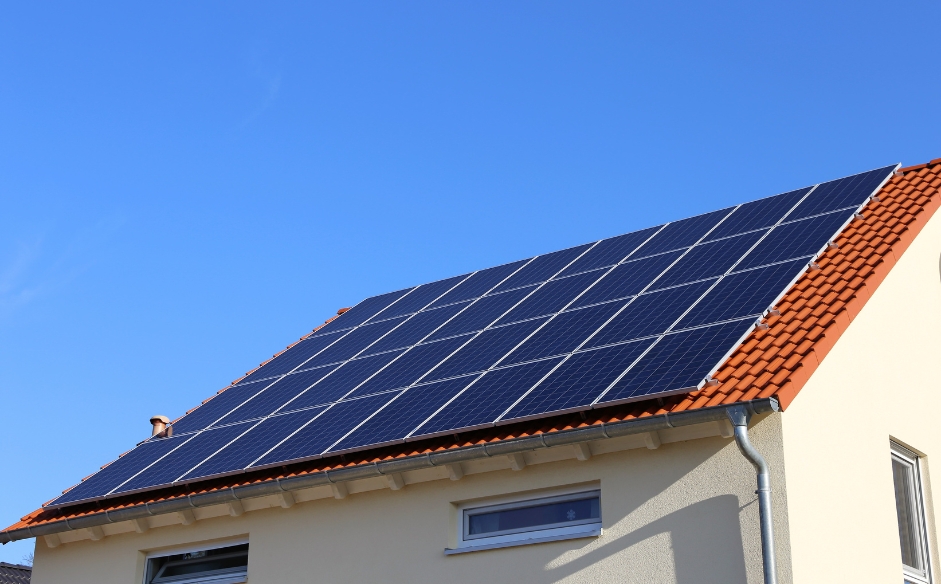
Solar panels generate electricity by converting sunlight into energy, which is then stored in batteries or supplied directly to a building’s electrical system. Most solar setups include:
- Solar panels
- Inverters to convert DC to AC power
- Batteries for energy storage
- Controllers to manage power flow
These systems can power various household and commercial applications, including lighting, appliances, and low-voltage technologies like smart glass.
Is Smart Glass Compatible with Solar Power?
Yes, smart glass can be powered by solar panels under the right conditions. Since smart glass requires a stable and continuous electrical supply when in use, it can be integrated into a solar-powered system that includes battery storage.
Key compatibility considerations include:
- Availability of sufficient solar-generated power
- Battery capacity to support smart glass usage during low sunlight periods
- Proper voltage regulation for consistent performance
When these factors are addressed, solar power can reliably support smart glass operation.
Practical Applications of Solar-Powered Smart Glass
Solar-powered smart glass is especially suitable for buildings that prioritise sustainability or are located in areas with strong sunlight exposure. Common applications include:
- Residential homes with rooftop solar panels
- Commercial buildings aiming to reduce energy consumption
- Remote or off-grid properties
In these settings, smart glass enhances energy efficiency by reducing the need for curtains, blinds, or additional lighting.
Benefits of Using Solar Power with Smart Glass
Integrating solar power with smart glass offers both environmental and practical advantages. By using renewable energy, property owners can reduce reliance on the grid while maintaining modern comfort.
Benefits include:
- Lower electricity consumption from traditional sources
- Reduced long-term energy costs
- Support for sustainable building certifications
- Improved energy management in smart buildings
This combination aligns well with green building initiatives and energy-conscious design.
Limitations and Considerations
While solar-powered smart glass is feasible, it is not suitable for every installation. Larger glass panels or extensive smart glass usage may require higher energy output and storage capacity.
Important factors to evaluate:
- Size and number of smart glass panels
- Daily usage patterns
- Existing solar system capacity
- Local climate and sunlight availability
A professional assessment ensures that the solar system can support smart glass without affecting other essential electrical needs.
Professional Integration Matters
Proper system integration is crucial when combining smart glass with solar power. Electrical compatibility, safety standards, and long-term reliability must be carefully managed.
Working with experienced specialists ensures:
- Correct power specifications for smart glass
- Safe integration with solar inverters and batteries
- Reliable performance under varying power conditions
Professional planning prevents power fluctuations that could affect smart glass functionality.
Takeaway
Solar panels can power smart glass when supported by a well-designed solar system with adequate energy storage.
Its low power consumption makes it a practical addition to solar-powered homes and buildings, offering flexible privacy and modern design without compromising energy efficiency. With proper planning and professional integration, smart glass and solar energy can work together seamlessly.
Explore Smart Glass Solutions with Magic Glass
At Magic Glass, we provide advanced smart glass and switchable film solutions designed for efficient and reliable performance.
Our team can advise on power requirements and system compatibility, helping you integrate smart glass into energy-efficient and sustainable building designs. Discover how Magic Glass can enhance your space with intelligent privacy and modern technology.