Does choosing privacy mean sacrificing your view of Singapore’s skyline?
While traditional frosted film is a popular and affordable solution in Singapore, its permanent opacity can make interiors feel enclosed. Low-quality films also tend to fail in our humid climate, peeling or bubbling over time.
This 2026 guide compares frosted film and smart film to help you make an informed investment. From pricing and durability to aesthetics and smart home integration, you’ll discover how switchable glass technology is transforming privacy.
Whether you’re designing a luxury condo, upgrading a meeting room, or modernising an HDB workspace, this guide will help you choose the right solution for your lifestyle and budget.
Key Takeaways
- Understand the difference between permanent frosted privacy and switchable smart glass technology.
- Compare adhesive frosted films, static cling options, and PDLC smart film systems.
- Learn how smart film preserves natural light while maintaining complete privacy.
- Explore practical applications for Singapore condos, offices, bathrooms, and partitions.
- Discover how modern switchable glass integrates seamlessly into smart home ecosystems.
What is Frosted Film?
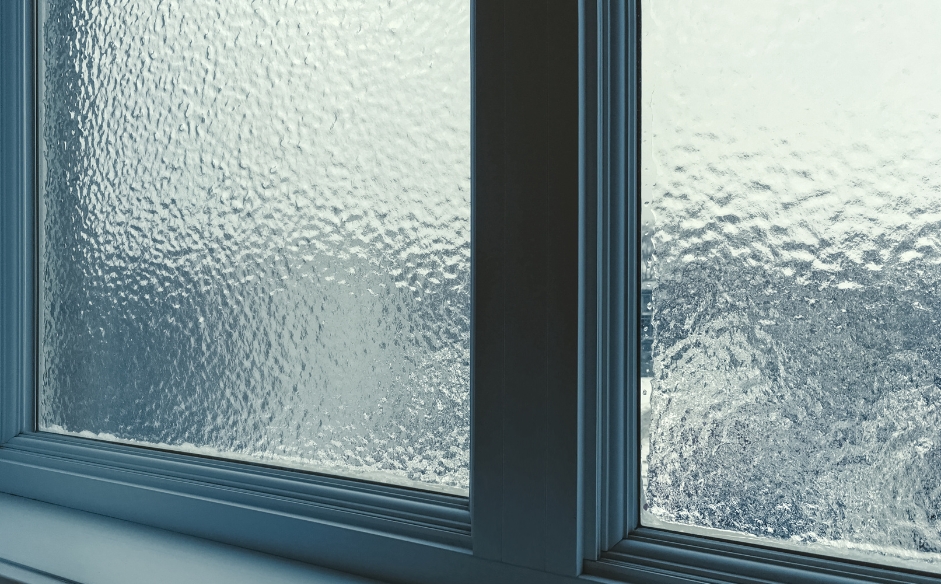
Frosted film is a translucent window covering that obscures visibility while allowing light to pass through. While this effect was traditionally achieved by sandblasting or acid-etching the glass, most Singapore properties now use adhesive vinyl films that mimic this appearance without permanent alteration.
The main appeal of frosted film is its affordability and simplicity, providing instant privacy at a low cost. This makes it popular for HDB service yards, office partitions, and bathroom windows. However, its biggest drawback is its permanence; the glass remains opaque at all times.
In smaller Singapore homes, permanently blocked windows can make rooms feel more enclosed. This has led many homeowners to explore dynamic alternatives like smart film technology.
Sandblasted vs. Etched Finishes
Not all frosted films create the same visual effect. Sandblasted finishes typically provide a denser, more textured appearance for maximum privacy, while etched or satin finishes deliver a smoother and more refined aesthetic.
Corporate offices across Singapore often prefer mid-frost finishes because they provide enough privacy to conceal meeting room activity while still maintaining an open and professional atmosphere. Decorative patterns and company logos can also be integrated into frosted film designs for branding purposes.
Why Frosted Film Remains Popular
Despite the rise of smart technology, frosted film continues to be widely used because it offers:
- Lower upfront installation costs
- Quick application with minimal disruption
- UV protection against Singapore’s harsh sunlight
- Improved privacy for bathrooms and office spaces
High-quality frosted films can also block up to 99% of harmful UV rays, helping protect furniture, flooring, and interiors from fading over time.
Types of Privacy Film Available in Singapore
Singapore’s market offers several types of privacy film, each designed for different usage requirements and budgets.
Adhesive Frosted Film
Adhesive-backed vinyl film is the most common option. It creates a durable long-term bond with glass and works well in high-traffic environments such as offices and commercial buildings.
Static Cling Film
Static cling film uses no adhesive and instead relies on surface tension to attach to glass. This makes it ideal for tenants or temporary installations because it can be removed cleanly without damaging surfaces.
Gradient Privacy Film
Gradient designs transition from opaque to transparent, allowing privacy at eye level while maintaining openness near the top of the glass. These are commonly used in modern office interiors and luxury condos.
Blackout and Whiteout Film
For complete privacy, blackout and whiteout films provide total opacity. They are commonly used in clinical environments, server rooms, and specialised commercial spaces.
Frosted Film vs. Smart Film: Key Differences
The biggest difference between frosted film and smart film is flexibility.
Traditional frosted film is static. Once installed, the glass permanently remains opaque. Smart film, however, offers instant control over transparency. With a single switch or smart home command, the glass can transform from clear to opaque in less than a second.
This functionality is especially valuable in Singapore properties, where maximising natural light is important without compromising privacy.
How Smart Film Works
Smart film uses PDLC (Polymer Dispersed Liquid Crystal) technology. When powered off, the liquid crystals scatter randomly, causing the glass to appear frosted. Once electricity flows through the panel, the crystals align and allow light to pass through clearly.
The result is a seamless transition between openness and privacy whenever needed.
Light Transmission Comparison
One major advantage of smart film is that it preserves brightness even when opaque. Unlike traditional frosted film that can make interiors feel closed off, smart glass still allows a high percentage of natural light to pass through.
This creates brighter interiors without exposing occupants to external visibility.
Energy Efficiency Benefits
Modern smart film systems also contribute to energy efficiency by reducing solar heat gain and controlling glare. In Singapore’s tropical climate, this can help lower cooling demands and improve indoor comfort.
For commercial buildings pursuing sustainability targets, smart glass technology may also support BCA Green Mark initiatives through better daylight management and reduced energy usage.
Best Applications for Homes and Offices
Singapore’s compact urban layouts create unique privacy challenges. Both frosted film and smart film can improve functionality, but the right choice depends on how the space is used.
Residential Applications
Luxury condos increasingly feature glass-walled bathrooms and open-concept interiors. Smart film allows homeowners to enjoy these modern aesthetics while maintaining privacy whenever necessary.
For HDB flats and apartments facing neighbouring units, privacy film can reduce the “fishbowl” effect without blocking daylight completely.
Popular residential applications include:
- Bathroom partitions
- Balcony sliding doors
- Home office glass panels
- Service yard windows
Commercial Applications
In office environments, switchable glass creates instant privacy for meetings, presentations, and confidential discussions.
Unlike curtains or blinds that collect dust and require maintenance, smart film delivers a cleaner and more modern appearance for professional environments.
Commercial uses include:
- Boardrooms
- Executive offices
- Reception areas
- Medical consultation rooms
- Retail storefronts
Why Smart Film is the Future of Privacy Solutions
Traditional frosted film still serves as a practical and affordable privacy solution. However, smart film represents the next evolution of architectural glass technology.
Instead of forcing homeowners to choose between openness and privacy, smart glass allows them to enjoy both whenever needed. This flexibility is becoming increasingly attractive in Singapore’s modern residential and commercial developments.
Smart film also integrates directly with systems like Google Home, Apple HomeKit, and Amazon Alexa. Homeowners can automate privacy settings based on schedules, lighting conditions, or voice commands for a fully connected experience.
Beyond convenience, smart glass creates a cleaner minimalist aesthetic by eliminating the need for curtains, blinds, or bulky coverings.
Transform Your Space with Intelligent Privacy Solutions
Choosing the right privacy solution is no longer just about blocking visibility. It’s about creating flexible spaces that adapt to your lifestyle, while preserving comfort, aesthetics, and natural light.
While frosted film remains a dependable entry-level option for static privacy, smart glass film offers unmatched versatility for modern Singapore interiors. From luxury residences to corporate boardrooms, switchable glass technology is redefining how people interact with their spaces.
If you’re looking to modernise your home or office with intelligent privacy solutions, now is the perfect time to explore the possibilities of smart film technology.
Frequently Asked Questions
Is frosted film cheaper than smart film?
Yes. Frosted film is significantly more affordable upfront, making it suitable for basic privacy needs. Smart film requires electrical integration and specialised installation, which increases overall costs.
Can smart film be installed on existing glass?
Yes. Smart film can typically be retrofitted onto existing glass panels without requiring full glass replacement.
Does smart film work during power outages?
When power is lost, most smart films automatically revert to their opaque privacy mode.
How long does frosted film last in Singapore?
High-quality professionally installed frosted film usually lasts between 5 to 10 years, depending on sun exposure, humidity, and maintenance.
Does smart film reduce heat?
Yes. Many smart film systems help reduce solar heat gain and glare, improving indoor comfort and energy efficiency.
Can frosted film be removed easily?
Static cling films are easily removable, while adhesive films require more effort and professional tools for clean removal.
Is smart film suitable for bathrooms?
Yes. Professionally installed smart film is safe for wet environments when properly sealed and electrically insulated.
Which option is better for office meeting rooms?
Smart film is generally preferred for modern meeting rooms, because it provides instant switchable privacy while maintaining a sleek and professional appearance.