Smart glass film represents a revolutionary leap in architectural design, offering architects and designers unprecedented control over light, privacy, and energy efficiency.
This innovative technology allows ordinary glass to transform from transparent to opaque at the touch of a button, opening new possibilities for minimalist and contemporary building design.
As sustainable architecture gains importance, smart glass film offers a functional and stylish solution. From homes to skyscrapers, this technology is transforming windows, partitions, and facades.
What is Smart Glass Film?
Smart glass film, also known as switchable glass or electrochromic film, is a thin layer that can be applied to existing glass surfaces or integrated into new installations.
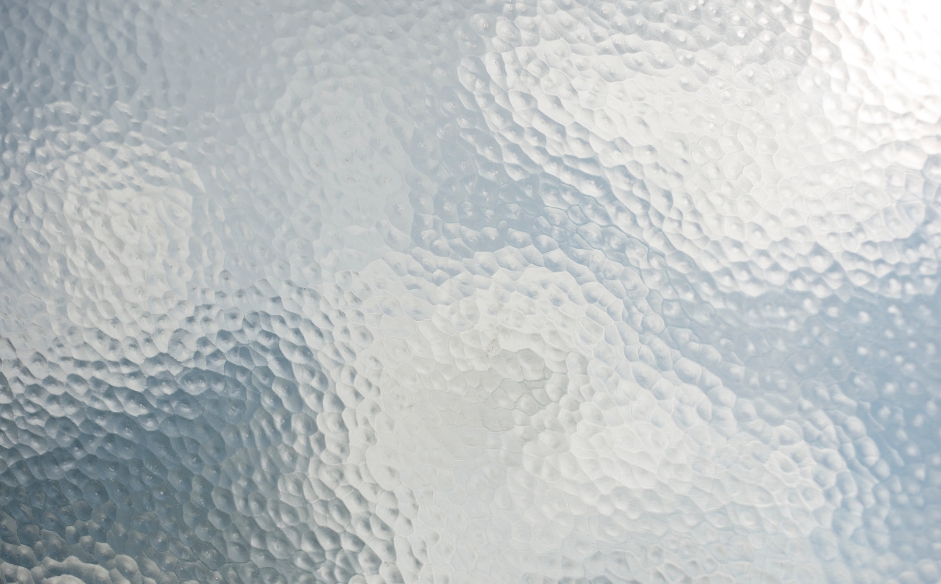
The film contains liquid crystals that align when an electrical current is applied, making the glass transparent. When the current is switched off, the crystals scatter randomly, creating an opaque, frosted appearance.
This technology operates on low voltage, typically 24-110 volts, making it safe and energy-efficient. The transformation happens within milliseconds, providing instant privacy control and light management capabilities that traditional window treatments cannot match.
Types of Smart Glass Technology
Several technologies power smart glass film, each with unique characteristics:
- Polymer Dispersed Liquid Crystal (PDLC) remains the most common type, offering reliable switching between clear and opaque states. This technology works well for privacy applications and internal partitions.
- Electrochromic glass changes tint levels gradually, allowing for fine-tuned light control. This type excels in external facades where solar heat gain management is crucial.
- Thermochromic film responds to temperature changes automatically, providing passive climate control without electrical input.
Smart Glass Film in Minimalist Architecture
Minimalist architecture emphasises clean lines, open spaces, and reduced visual clutter.
Smart glass film perfectly complements these principles by eliminating the need for traditional blinds, curtains, or mechanical shading systems.
Creating Seamless Spaces
The technology allows architects to design continuous glass walls without interruption from window treatments. Spaces can maintain their minimal aesthetic while providing necessary privacy and light control functionality.
Large glass panels can span entire walls, creating a sense of openness when transparent and intimate privacy when opaque. This flexibility supports the minimalist principle of multi-functional design elements.
Reducing Material Complexity
Traditional privacy solutions require additional hardware, mounting systems, and regular maintenance. Smart glass film integrates directly into the glass surface, reducing the number of materials and components needed.
This simplification aligns with minimalist values whilst reducing long-term maintenance requirements and potential failure points in the building system.
Applications in Contemporary Design
Contemporary architecture embraces technology integration and adaptive building systems.
Smart glass film serves as a key component in creating responsive, intelligent building envelopes.
Dynamic Facades
Modern commercial buildings use smart glass film in exterior applications to manage solar heat gain and glare. The technology allows facades to respond to changing light conditions throughout the day, optimising interior comfort whilst maintaining exterior aesthetic appeal.
Some installations incorporate automated systems that adjust transparency based on sunlight intensity, time of day, or interior temperature requirements.
Flexible Interior Spaces
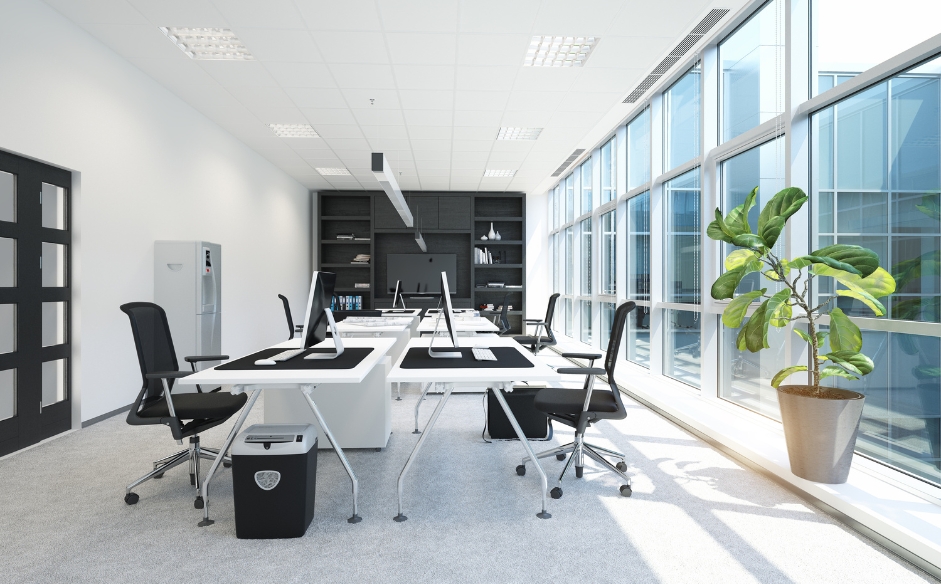
Open-plan offices and residential spaces benefit from smart glass partitions that can create private areas on demand. Meeting rooms can switch from transparent to opaque during confidential discussions, then return to an open feel when not in use.
This flexibility supports contemporary workplace design trends that emphasise adaptability and multi-use spaces.
Integration with Home Automation
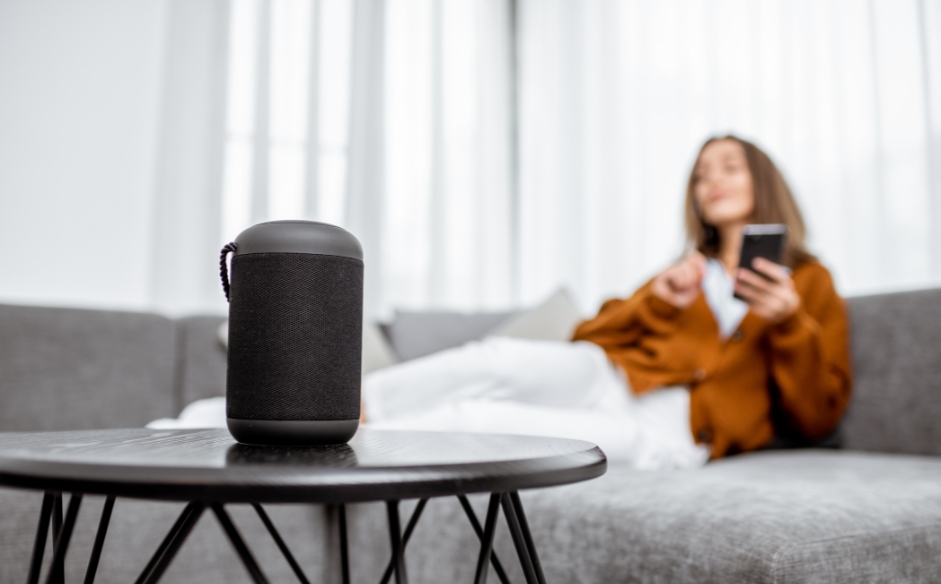
Smart glass film connects seamlessly with home automation systems, allowing residents to control transparency through smartphones, voice commands, or automated schedules.
This integration appeals to contemporary homeowners who value technological convenience.
Energy Efficiency and Sustainability Benefits
Smart glass film contributes significantly to building energy efficiency, supporting sustainable design goals that are increasingly important in contemporary architecture.
Thermal Performance
By controlling solar heat gain, smart glass film reduces cooling loads during hot weather.
The technology can block up to 99% of UV radiation whilst maintaining visible light transmission, protecting interiors from fading whilst reducing air conditioning demands.
Reduced Lighting Requirements
The ability to fine-tune natural light admission helps optimise interior lighting conditions, potentially reducing artificial lighting needs during daylight hours.
Longevity and Maintenance
Smart glass film systems typically last 10-20 years with minimal maintenance requirements. Unlike mechanical shading systems, there are no moving parts to wear out or require regular service.
Design Considerations and Installation
Successful smart glass film integration requires careful planning during the design phase.
Electrical Requirements
Buildings must accommodate low-voltage electrical systems to power smart glass installations. This includes appropriate wiring, switching systems, and potential backup power considerations.
Glass Specification
The underlying glass must meet structural requirements whilst accommodating the film application. Laminated glass is often preferred for safety and optimal film adhesion.
Control Systems
Architects must consider how occupants will interact with smart glass systems. Options range from simple wall switches to sophisticated automated controls integrated with building management systems.
Cost Considerations and Value
Smart glass film represents a significant initial investment compared to traditional glazing solutions. However, the technology offers long-term value through energy savings, reduced maintenance costs, and enhanced property appeal.
The elimination of traditional window treatments and their associated costs helps offset the initial investment. Additionally, the technology’s contribution to energy efficiency can support green building certifications that increase property value.
Future Developments in Smart Glass Technology
Smart glass film technology continues evolving, with new developments promising enhanced performance and expanded applications.
Researchers are developing films with improved energy efficiency, faster switching speeds, and enhanced durability. Future versions may incorporate photovoltaic capabilities, allowing windows to generate electricity whilst providing privacy control.
Integration with artificial intelligence systems could enable predictive control, automatically adjusting transparency based on weather forecasts, occupancy patterns, and energy demand.
Takeaway
Smart glass film is revolutionising minimalist and contemporary architecture by providing unprecedented control over light, privacy, and energy efficiency.
The technology supports design principles that value simplicity, functionality, and sustainability whilst offering practical benefits that enhance building performance.
As technology advances and costs drop, smart glass film is set to become a standard in modern architecture. Architects and designers who adopt it now will be ready to create buildings that are both beautiful and functional.