Smart glass films are revolutionising the way we interact with spaces, seamlessly blending functionality with aesthetics. Whether it’s privacy on demand or effective light control, these innovations are transforming modern homes, offices, and public spaces.
Two standout technologies in this space are PDLC (Polymer Dispersed Liquid Crystal) and SPD (Suspended Particle Device). But which one is the best choice for your tailored needs?
What Is PDLC Smart Film?
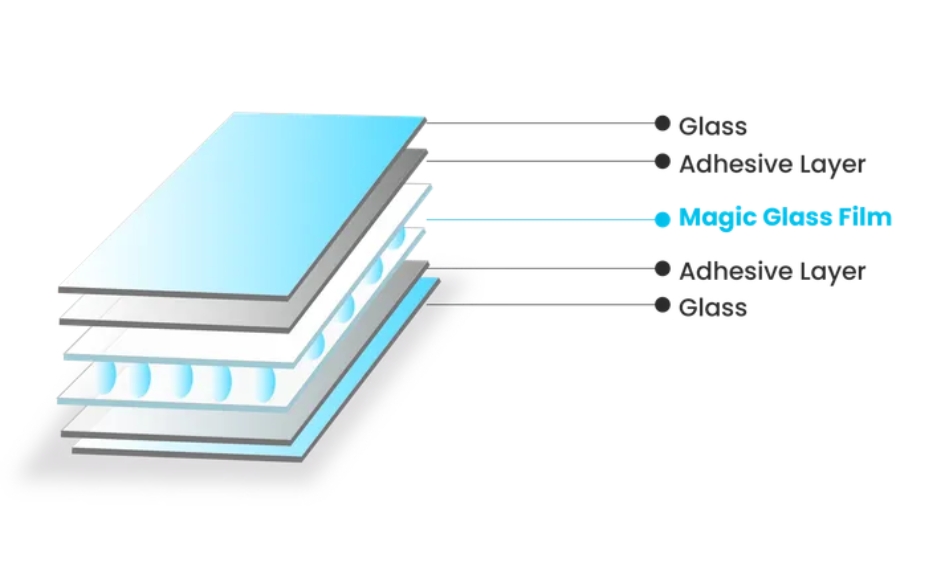
PDLC technology centres on liquid crystals suspended in a polymer matrix. Its biggest feature? The ability to instantly toggle between frosted (opaque) and clear (transparent). But how does it work?
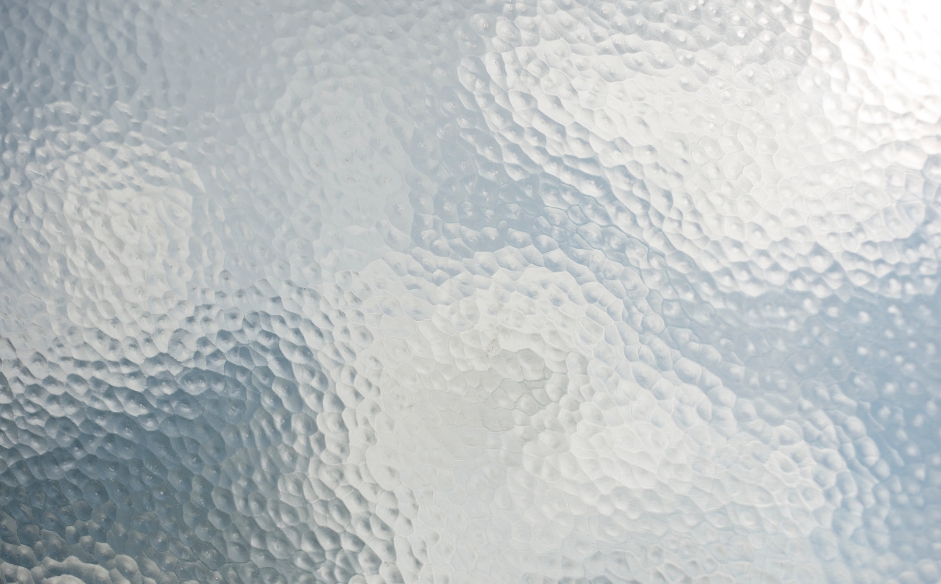
When power is off, the liquid crystals are randomly arranged, causing the film to appear frosted, which blocks visibility while still letting in light. When power is applied, the crystals align, making the film clear and see-through.
Key Features of PDLC Smart Film
- Privacy on demand: Ideal for spaces requiring instant privacy, such as bathrooms, offices, or medical facilities.
- Light transmission: Even in its frosted state, PDLC allows ambient light to pass through, meaning your room won’t feel dark or enclosed.
- Applications: Commonly used for interior settings like office partitions, conference rooms, residential bathrooms, and display showcases.
- Limitations: PDLC is not designed to control sunlight or glare, making it less effective for reducing heat or managing UV/IR radiation.
PDLC is perfect for those looking to combine privacy with sleek, modern design.
What Is SPD Smart Film?
SPD smart film takes a different approach. Instead of focusing on privacy, SPD is engineered for light and glare control, making it ideal for rooms exposed to sunlight or outdoor environments.
SPD works by housing microscopic particles in liquid. When power is applied, these particles align to allow light to pass through, making the film lighter. When the power is off, the particles scatter, dimming the light and creating a darker tint.
Key Features of SPD Smart Film
- Light control: Provides gradual dimming rather than an on/off frosted effect, effectively managing glare and reducing sunlight.
- Thermal comfort: Reduces heat transfer to help maintain a comfortable indoor temperature.
- Applications: Best suited for exterior settings such as skylights, automotive windows, and building facades.
- Limitations: Unlike PDLC, it doesn’t offer full privacy, as it only alters light transmission and not opacity.
SPD is the go-to choice for controlling sunlight and creating energy-efficient spaces.
Key Differences Between PDLC and SPD Films
When comparing PDLC and SPD smart glass films, it’s crucial to understand their distinct functionalities and applications. Here’s a closer look:
Functionality
- PDLC is designed for on/off privacy, switching instantly between frosted and clear states.
- SPD regulates light transmission, offering smooth, gradual dimming to control brightness and reduce glare.
Transparency
- PDLC changes from clear to opaque, making it ideal for blocking visibility while maintaining some light flow.
- SPD transitions from light to dark, providing shading while retaining partial visibility.
Use Cases
- PDLC is better for indoor applications like office partitions, conference rooms, and privacy glass in bathrooms.
- SPD excels in outdoor or high-exposure settings such as car windows, skylights, and large glass facades.
Power Requirements
- PDLC needs power to stay in the transparent state (clear).
- SPD requires power to stay in the lighter state.
Cost
- PDLC is more affordable and widely available for residential and indoor use.
- SPD tends to be more expensive due to its advanced light-control capabilities, and is often seen in high-end applications.
Which Technology Should You Choose?
Making the right choice between PDLC and SPD smart films comes down to understanding your priorities and the purpose of your application. Here’s a quick guide to help:
Choose PDLC If:
- Privacy is your main concern, such as creating frosted glass partitions for offices or bathrooms.
- You are designing for indoor spaces like conference rooms, medical facilities, or homes.
- You prefer budget-friendly options that still offer cutting-edge functionality.
Choose SPD If:
- Sunlight control, glare reduction, or heat management are your top priorities.
- You’re working on exterior applications like skylights, windows, or vehicle glass.
- Energy efficiency and advanced light-control capabilities are important to your project.
Both technologies deliver unique benefits. The key is aligning their strengths with your specific goals.
How Smart Glass Is Used in the Real World
Smart glass innovations are already enhancing everyday life. Here are a few standout examples:
- PDLC in Modern Offices: Imagine walking into a transparent conference room. With a tap, the partition frosts over, offering instant privacy for sensitive meetings.
- SPD in Luxury Apartments: Large windows automatically adjust their tint throughout the day, reducing harsh sunlight and maintaining a cool, comfortable interior.
- Medical Facilities: Hospitals use PDLC film to create hygienic, private treatment areas without bulky curtains.
These real-life use cases highlight the versatility and practicality of both PDLC and SPD technologies.
Takeaway
Both PDLC (Polymer-Dispersed Liquid Crystal) and SPD (Suspended Particle Device) technologies represent advanced solutions for light control and privacy, each tailored to serve distinct purposes.
Whether you choose PDLC, ideal for instant privacy and projection screen applications, or SPD, designed for dynamic light adjustment and energy efficiency, both technologies offer innovative ways to enhance comfort and functionality in modern spaces.
Understanding their unique benefits can help you select the best solution for your specific needs.
Magic Glass For Smart Glass Film
Interested in installing smart glass film in your residential or commercial space? Look no further than Magic Glass to transform your windows into a modern, functional feature.
Our smart glass film offers privacy at the touch of a button, while maintaining natural light and energy efficiency. Contact us today to learn more!