Short answer: Most smart glass issues can be prevented with proper product selection, installation and maintenance.
Problems such as haze, uneven switching, flickering and edge deterioration can be linked to the PDLC layer, electrical components, moisture or installation quality. In Singapore, proper edge sealing and electrical protection are especially important because of the country’s warm, humid climate.
Introduction
Smart glass offers a convenient way to control privacy without blinds, curtains or permanent partitions. With a switch, the glass can change from transparent to opaque, making it useful for offices, homes, bathrooms, meeting rooms and other spaces.
However, switchable glass is more complex than conventional glazing. It combines glass with a PDLC layer and electrical components, so problems can occur when the product is poorly specified, incorrectly installed or exposed to unsuitable conditions.
For Singapore properties, humidity, heat and frequent use can also affect long-term performance. Knowing what to look out for can help you identify potential issues early and choose an installation that is built for the environment.
What Are the Most Common Problems With Smart Glass?
Smart glass uses Polymer Dispersed Liquid Crystal (PDLC) technology to switch between transparent and opaque states. When powered, the liquid crystals align and allow more light to pass through. When the power is switched off, the crystals scatter light, creating the privacy effect.
Because the system combines glazing, PDLC material and electrical components, a problem with any part can affect performance.
Some issues you may encounter include:
Problem | Possible Cause |
|---|---|
Excessive haze | PDLC characteristics or product quality |
Glass stays opaque | Power supply or electrical connection |
Uneven switching | Busbar or wiring issue |
Flickering | Controller or power supply problem |
Bubbling at the edges | Moisture ingress or poor sealing |
Edge discolouration | Moisture or material degradation |
Visible wiring | Poor installation planning |
Not every difference in appearance means the glass is faulty. For example, PDLC smart glass will generally have different optical characteristics from conventional clear glass. The important thing is knowing what is normal and what may indicate a genuine problem.
Smart Glass vs Smart Film
The terms smart glass and smart film are sometimes used interchangeably, but they are different products.
Smart glass incorporates the PDLC technology into the glass construction itself. It is commonly specified for new partitions, doors and glazing.
Smart film is designed as a retrofit solution that can be applied to existing glass. This can be useful for renovation projects where replacing the existing glazing is unnecessary.
The choice depends on your existing glass, project requirements, desired appearance and installation conditions.
Why Does Smart Glass Look Hazy or Cloudy?
One of the most common questions from first-time users is why smart glass does not look exactly like ordinary clear glass when switched on.
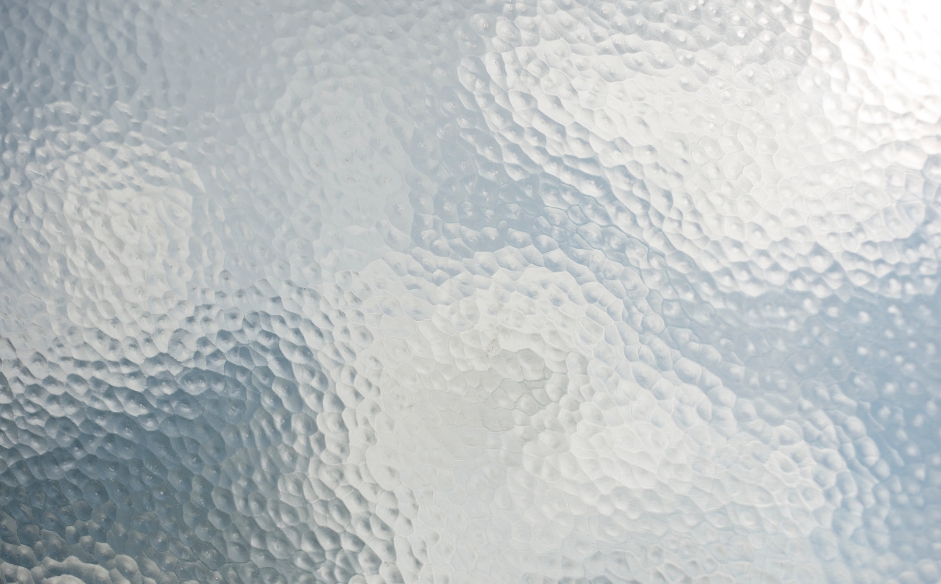
This is partly due to the way PDLC technology works. Even in its transparent state, switchable glass can have some haze because of the structure of the PDLC layer.
Is Some Haze Normal?
A small amount of haze can be a normal characteristic of PDLC glass. It may be more noticeable when:
- Viewing the glass from an angle
- Comparing it directly with conventional clear glass
- Strong lighting reflects off the surface
- The glass uses a lower-quality PDLC product
However, heavy cloudiness, obvious patches or uneven clarity across the same panel should not simply be dismissed as normal haze.
If the appearance has changed significantly since installation, the glass and electrical system should be inspected.
Product Quality Makes a Difference
Different PDLC products can have different levels of transparency and haze. This is why comparing only the price of different smart glass solutions can be misleading.
For projects where optical clarity is important, ask about the glass specification and view a sample before committing to a large installation.
Why Is Smart Glass Not Switching Properly?
Smart glass needs a stable electrical connection to switch between its two states. When something goes wrong, the symptoms can range from delayed switching to a panel that remains opaque.
Glass Stays Opaque
If the glass does not become transparent when powered, possible causes include:
- Power supply failure
- Controller problems
- Loose connections
- Damaged wiring
- An issue with the PDLC panel
If several panels stop working at the same time, the controller or power supply is worth checking first. If only one panel is affected, the issue may be local to that panel.
Only Part of the Glass Turns Clear
Large smart glass panels may show uneven switching when there is a problem with the electrical connection or busbar.
A section that remains cloudy while the rest of the panel becomes clear should be inspected rather than repeatedly switched on and off.
Smart Glass Flickers
Flickering may indicate an unstable power supply, controller issue or loose electrical connection.
If the problem continues, have the system checked by the installer or a qualified specialist. Electrical components should not be opened or modified without the appropriate expertise.
How Singapore’s Climate Can Affect Smart Glass
Singapore’s tropical climate is an important consideration when installing smart glass. Heat, humidity and condensation can affect materials if the installation is not properly protected.
This is particularly relevant for smart film in Singapore, as the film and its edges need suitable protection from moisture.
Moisture and Edge Damage
Moisture entering the edge of a smart film or laminated smart glass panel can contribute to problems such as:
- Bubbling
- Cloudiness
- Discolouration
- Delamination
- Reduced performance
The risk is higher in bathrooms and other wet areas.
Proper edge protection and compatible sealing materials should therefore be considered during installation, rather than treated as an afterthought.
Heat and Direct Sunlight
Smart glass installed near large windows or areas exposed to strong sunlight may experience greater thermal stress.
The appropriate glass construction should take the installation environment into account. For example, large external windows may have different requirements from an internal office partition.
A specialist can assess factors such as the glass construction, size, location and exposure before recommending a suitable solution.
Installation Problems to Watch Out For
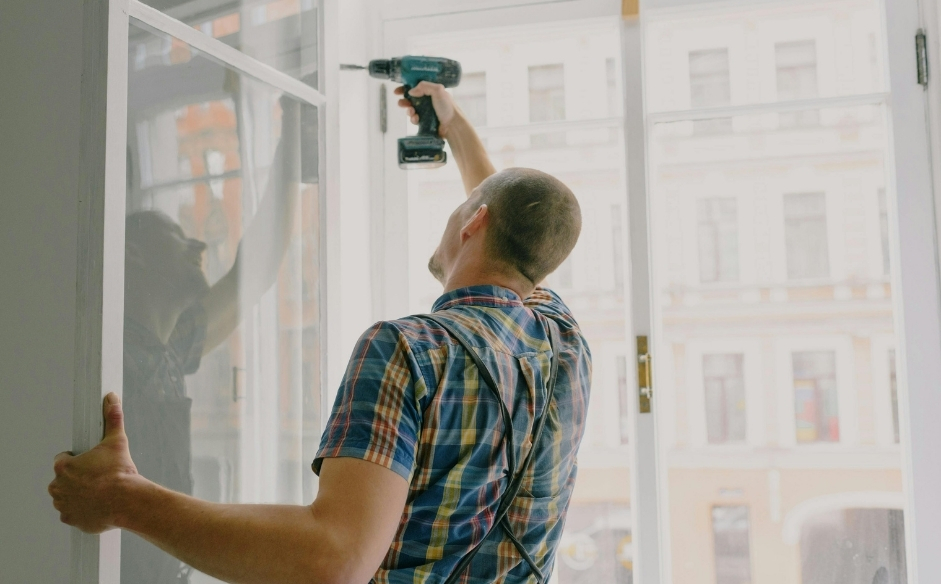
Some smart glass problems are caused not by the PDLC technology, but by installation issues.
Good installation involves more than fitting the glass into a frame. The electrical connections, busbars, frame and edge protection all need to work together.
Poor Electrical Integration
Smart glass requires electrical connections to operate. If these are poorly planned, you may end up with exposed wires, difficult maintenance access, or connections that are vulnerable to damage.
For a clean architectural finish, wiring can be incorporated into the frame or surrounding structure where appropriate.
Busbar Damage
Busbars supply electricity to the PDLC layer. Damage or poor connections can affect how evenly the glass switches.
They should be handled carefully during fabrication and installation, with adequate protection once the glass is fitted.
Poor Edge Sealing
Edge sealing is particularly important in humid environments.
An inadequately protected edge can allow moisture to reach the PDLC layer over time. This can result in visible deterioration that is difficult to reverse.
Professional installation helps ensure the sealing method and materials are appropriate for the specific glass and application.
How to Maintain Smart Glass
Smart glass does not require complicated maintenance. Basic care and timely troubleshooting can help keep the system working properly.
Clean the Surface Carefully
Use a soft cloth and a suitable glass cleaner. Avoid abrasive cleaning materials that can scratch the surface.
For smart film, take extra care around the edges and avoid excessive moisture near the electrical connections.
Check for Changes in Performance
Pay attention to changes such as:
- Slower switching
- Flickering
- Uneven transparency
- New cloudy areas
- Bubbling around the edges
Early inspection can help identify an installation or electrical issue before it becomes more serious.
Keep the Electrical Components Protected
Controllers, transformers and wiring should remain protected and accessible for servicing.
If the system develops an electrical problem, avoid attempting to repair the wiring yourself. A specialist can identify whether the issue is with the power supply, controller, connection or glass.
Choosing the Right Smart Glass for Your Space
The best way to avoid many problems is to consider the application before choosing the product.
Smart Glass for Offices
Switchable glass works well for:
- Meeting rooms
- Boardrooms
- Private offices
- Glass partitions
- Executive spaces
It provides privacy when needed, while allowing the space to remain visually open when the glass is clear.
Smart Glass for Homes
Residential applications include:
- Bathroom partitions
- Bedroom partitions
- Home offices
- Interior windows
- Sliding doors
Smart film can also be considered when you want to upgrade existing glass without replacing the entire panel.
Smart Glass for Commercial Spaces
Hotels, clinics, showrooms and other commercial spaces may use switchable glass for both privacy and design.
For larger projects, consider factors such as how frequently the glass will be switched, its location, exposure to moisture or sunlight, and how the electrical system will be integrated into the space.
Why Choose Magic Glass Singapore?
Choosing the right installer is an important part of avoiding smart glass problems.
Magic Glass provides smart glass and smart film solutions for residential and commercial applications in Singapore. The right solution can be specified according to the property’s layout, intended use and design requirements.
Professional Installation
A properly planned installation considers more than the glass dimensions. It also accounts for:
- Electrical connections
- Power requirements
- Frame design
- Edge protection
- Moisture exposure
- Access for maintenance
This is especially important for customised partitions, doors and larger installations.
Solutions for Different Applications
There is no single smart glass configuration that works for every space. A bathroom partition, office meeting room and external window can have very different requirements.
Working with a specialist allows the product and installation approach to be matched to the application, rather than simply selecting a standard panel.
Final Thoughts
Smart glass can provide convenient, on-demand privacy, while keeping interiors open and modern. However, its performance depends on more than the PDLC layer itself.
Haze, uneven switching, flickering and edge deterioration can have different causes, from normal optical characteristics to electrical or installation problems. In Singapore, humidity and heat make proper sealing and material selection particularly important.
Choosing a suitable product and having it professionally installed from the start can reduce many of these risks. With proper care and maintenance, smart glass can remain a practical and attractive feature in both residential and commercial spaces.